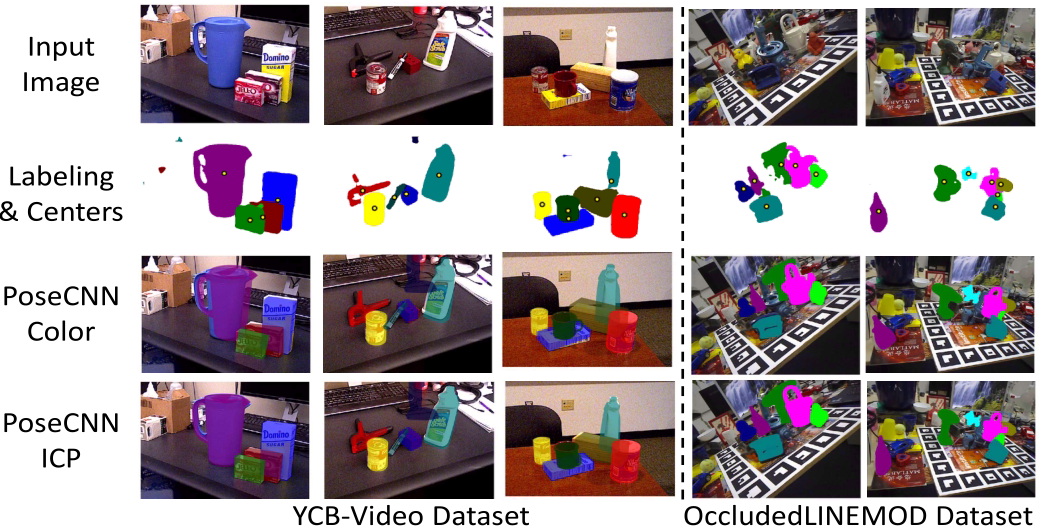
[6D Pose Estimation Algorithm] PVNet
Attempted to test PVNet but gave up partway through.
Notes on robotics, vision, and systems.
Attempted to test PVNet but gave up partway through.
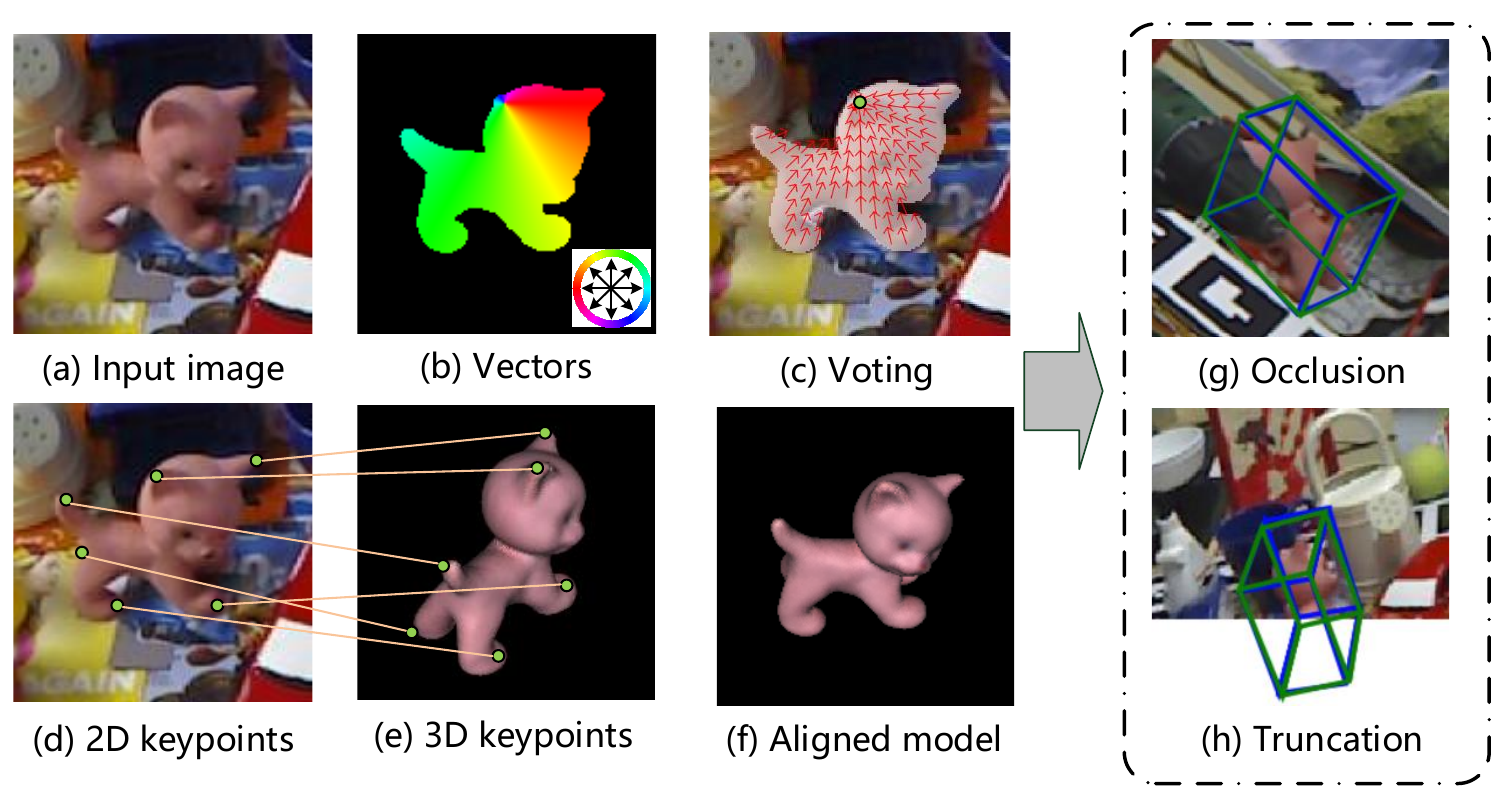
Addresses the increased difficulty of 6D pose estimation caused by occlusion and clutter between objects by combining a backbone network with ICP point matching.
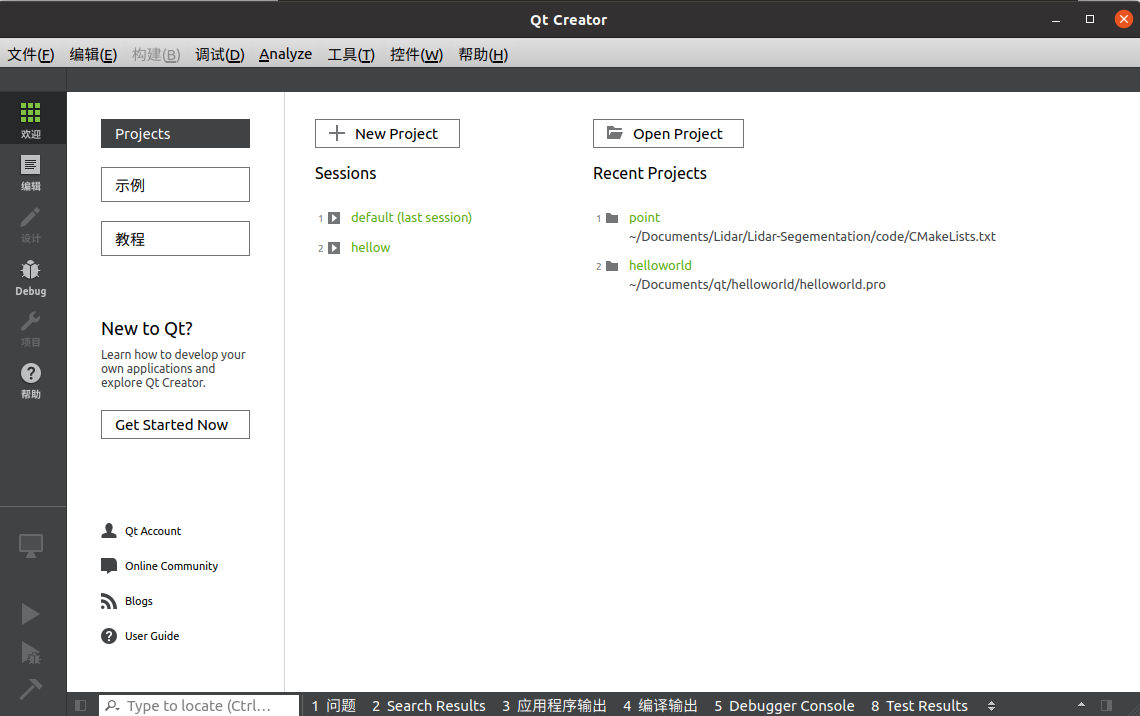
ROS is essential for robot software development, while Qt is essential for graphical user interfaces. This article explains how to use ROS libraries in Qt.
Introduces modal and non-modal dialogs in Qt, as well as standard dialogs.
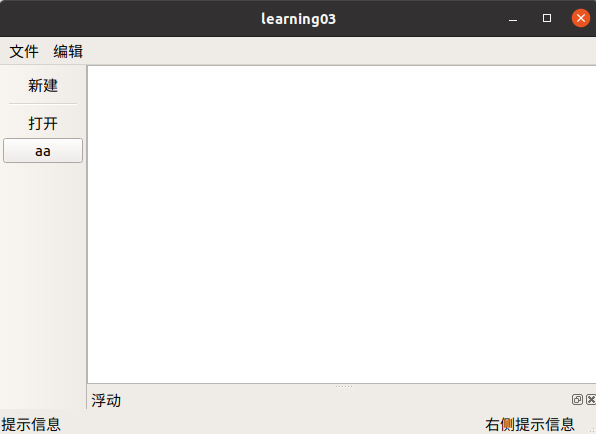
Introduces how to implement QMainWindow features, including the menu bar, toolbar, status bar, dock widgets, central widget, and more.
Covers Qt basics and walks through creating your first Qt program (an empty window with a button). Introduces signals and slots, and implements the simplest case—closing the window when a button is pressed.
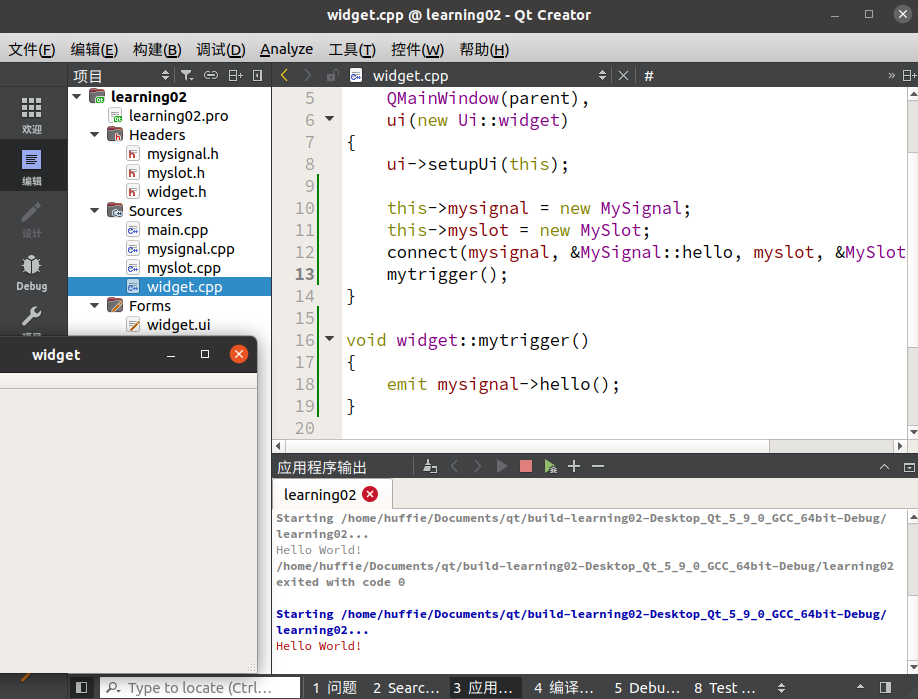
Signals and slots are among the most important concepts in Qt. They enable signal transmission between senders and receivers and form the basis of various Qt operations.
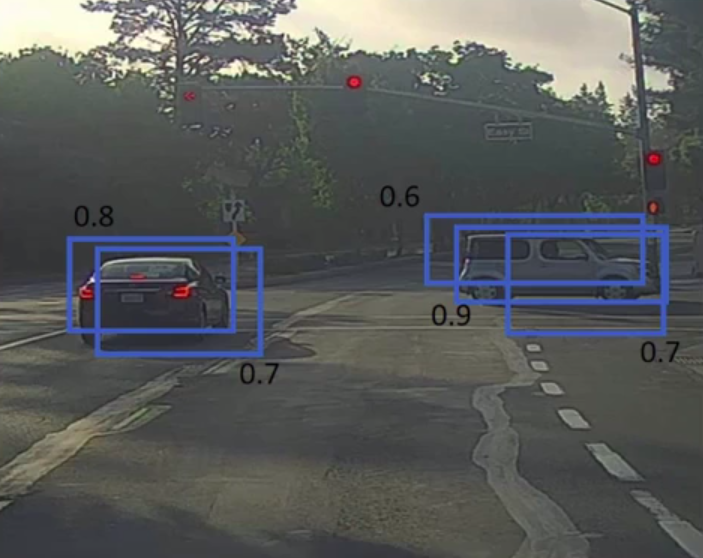
Basic implementation methods for object detection, starting with object localization and summarizing object detection algorithms such as landmark detection, object detection, the sliding-window method, and NMS (Non-Max Suppression).
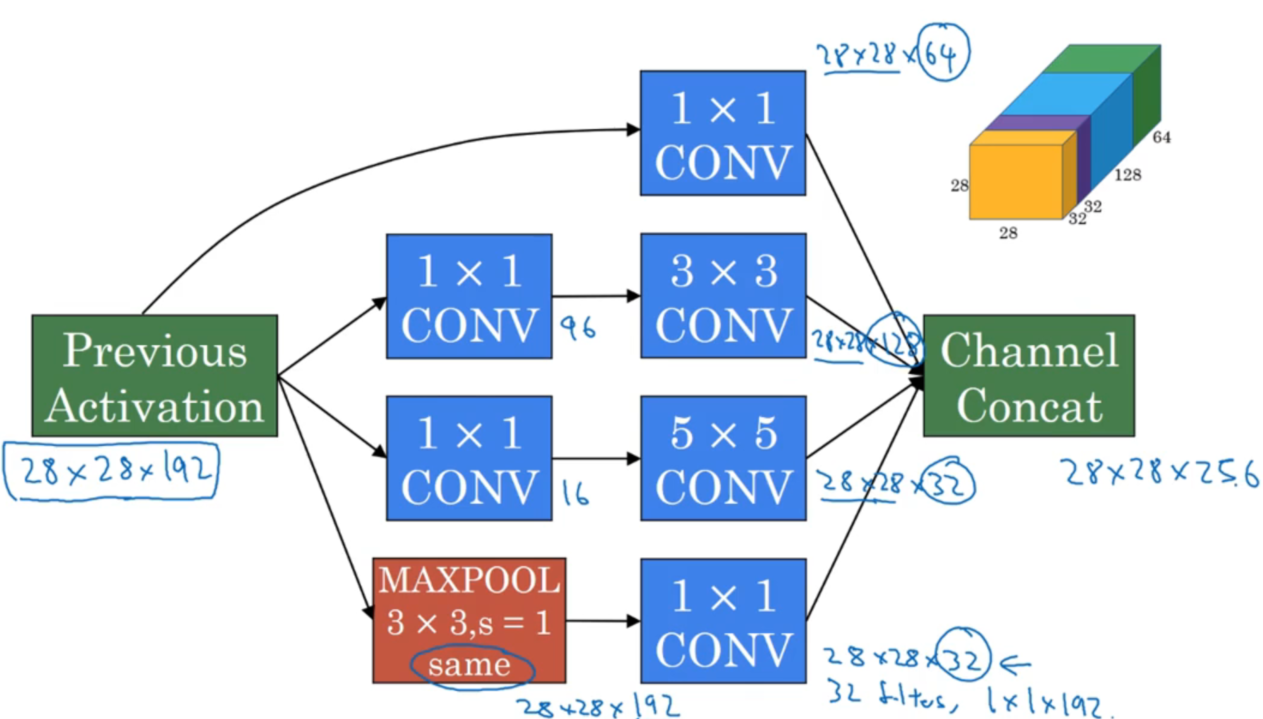
This article introduces several classic neural network models, including the network architectures of LeNet-5, AlexNet, VGG-16, ResNet, Inception networks, and more.
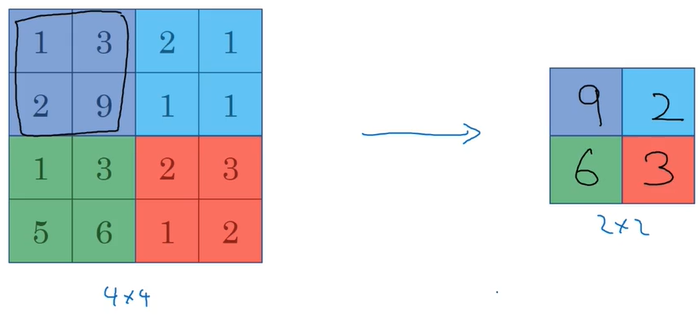
Why do neural networks often use convolution when analyzing images? Why are there padding and stride? What roles do pooling layers and fully connected layers play?