【Motion Imitation】Robot Motion Planning Methods Learned from Human Demonstrations
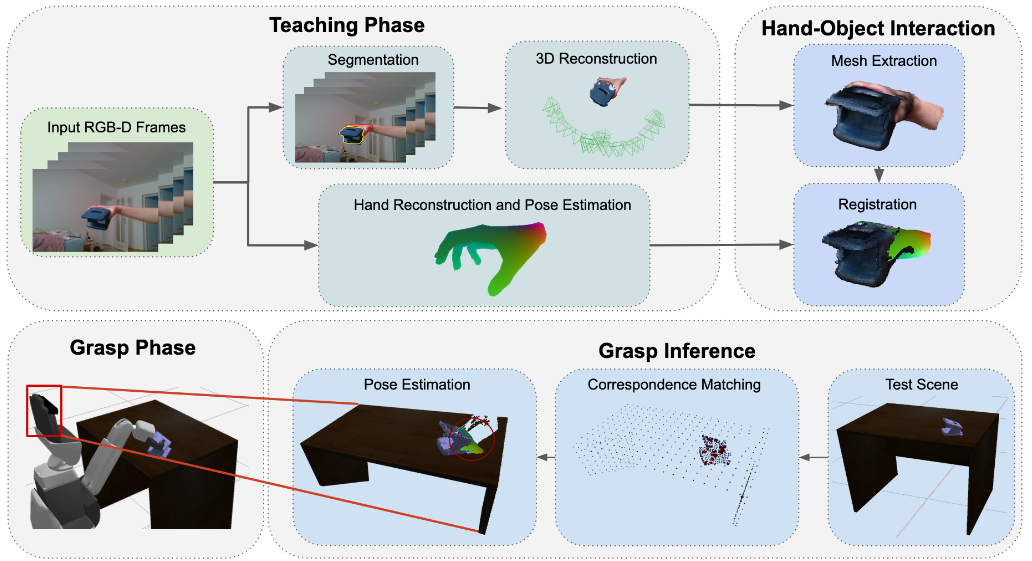
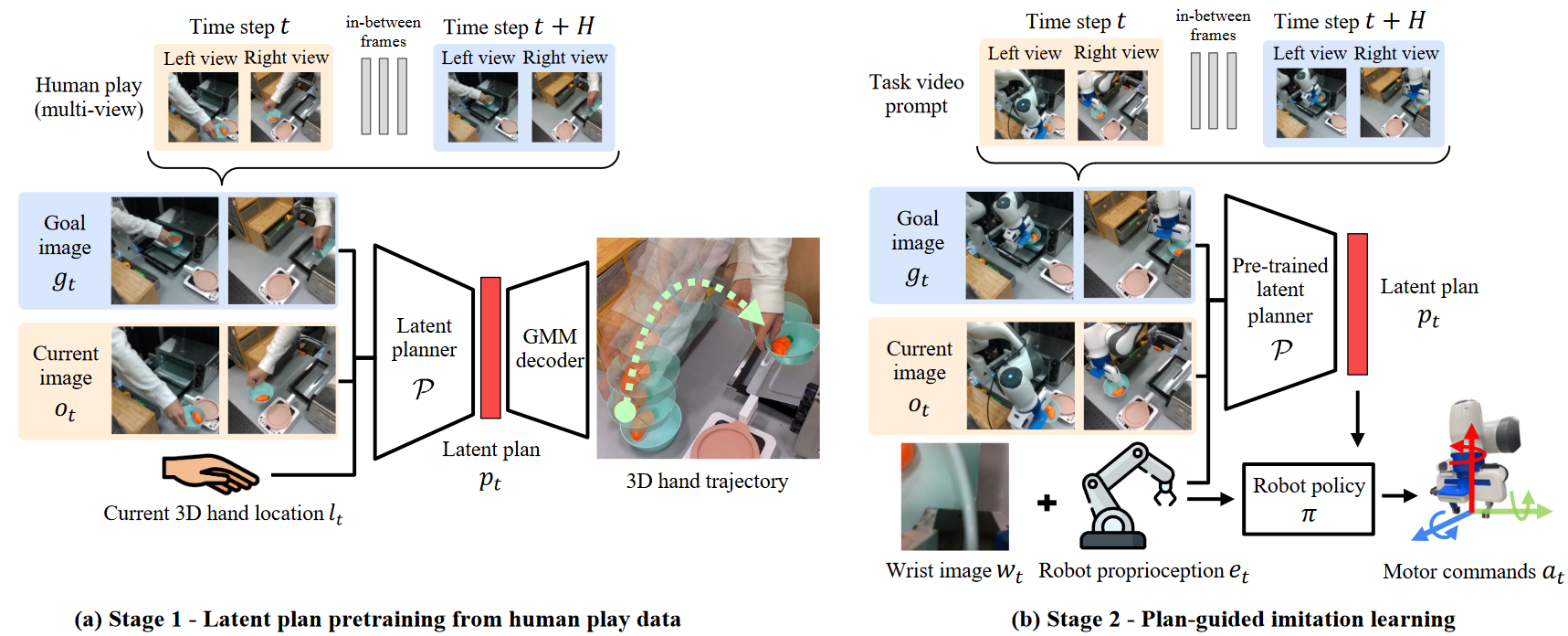
A survey of research on methods for robot motion generation and planning learned from videos of humans grasping objects.
32 posts
A survey of research on methods for robot motion generation and planning learned from videos of humans grasping objects.
A survey of research on robotic grasping learned from videos of humans grasping objects.
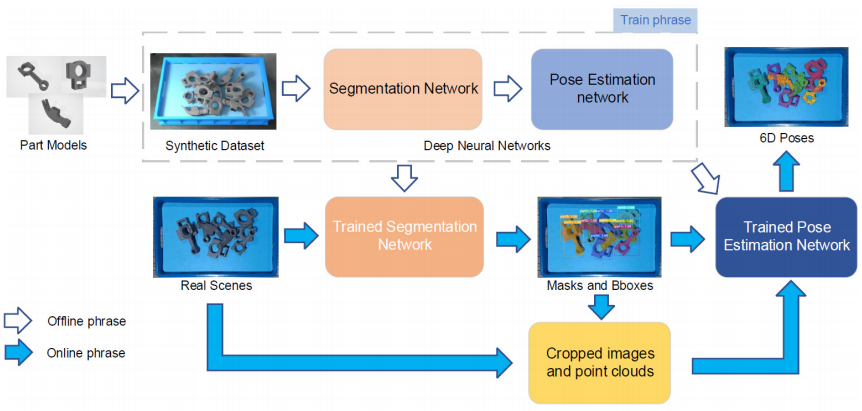
Reproducing the RGB Matters algorithm proposed by Shanghai Jiao Tong University.
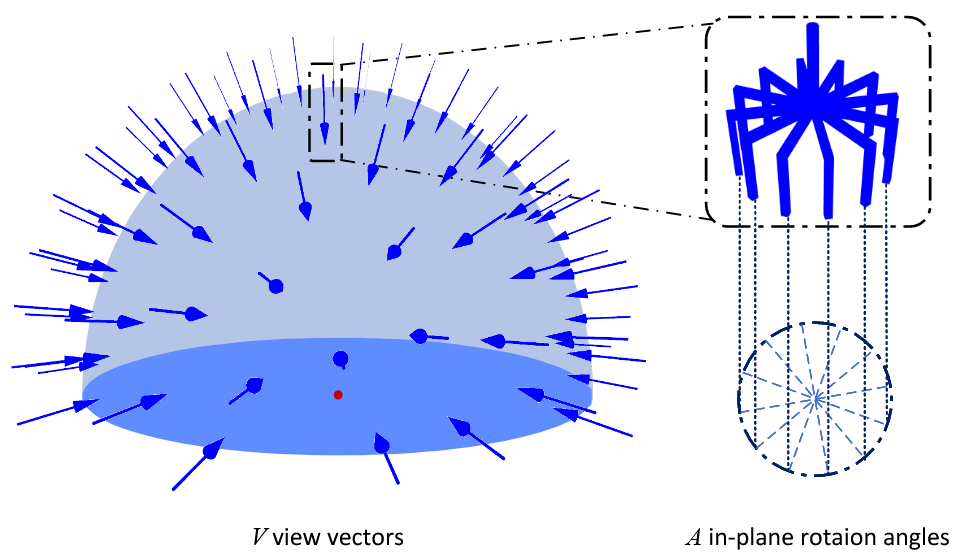
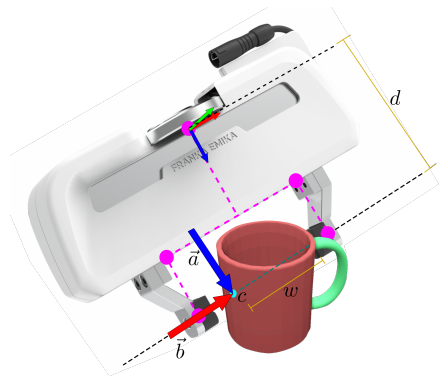
Reproducing Contact GraspNet, a grasp estimation algorithm proposed by NVIDIA
Algorithm reproduction
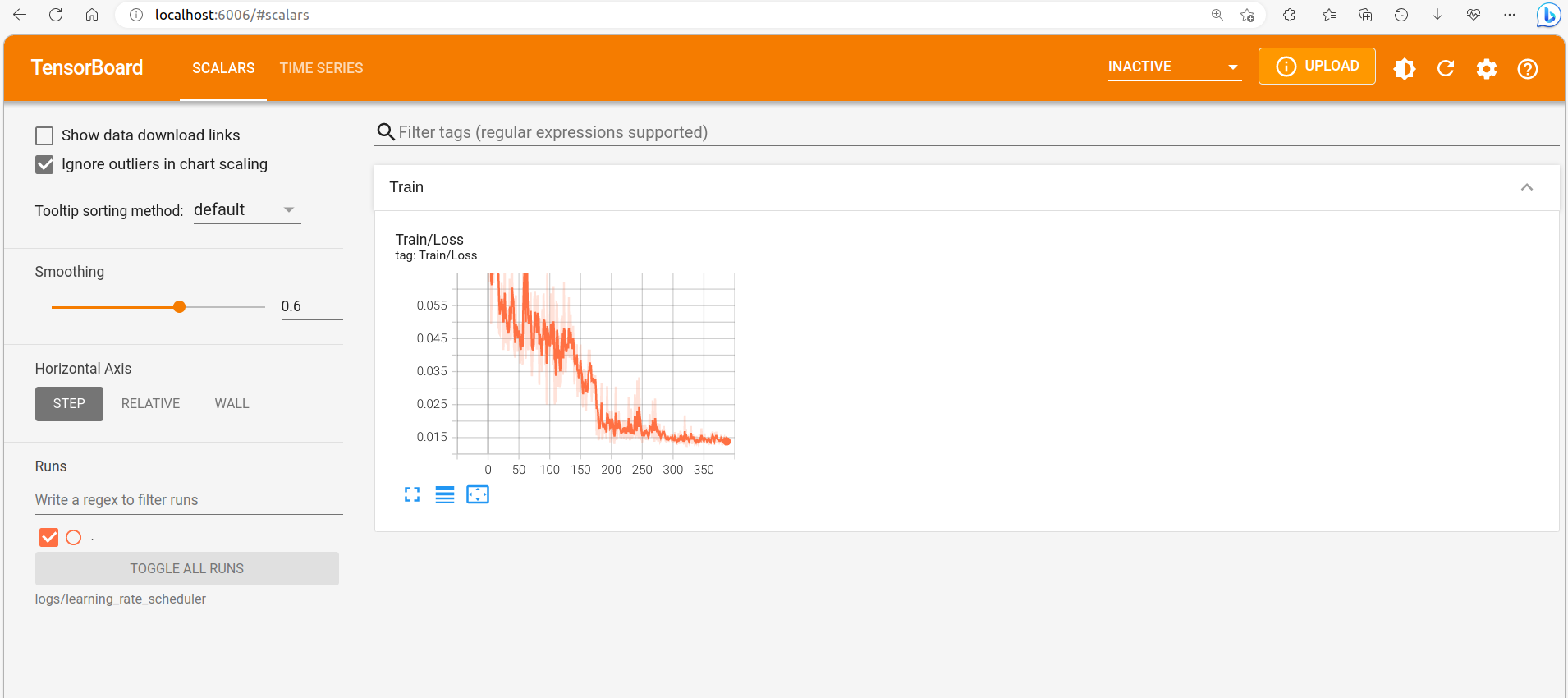
During deep learning training, we inevitably need to observe changes in metrics such as Loss and Learning_rate, so plotting curves in real time is essential. This article explains how to use PyTorch's TensorBoard to plot curves.
Notes from searching for and reading ECCV papers related to 6D pose estimation from the past three years
A review of and notes on CVPR papers related to 6D pose estimation from the past three years
I searched for papers citing DenseFusion, but so many of them had no open-source code that after reading two, I switched to focusing only on papers from top-tier conferences.
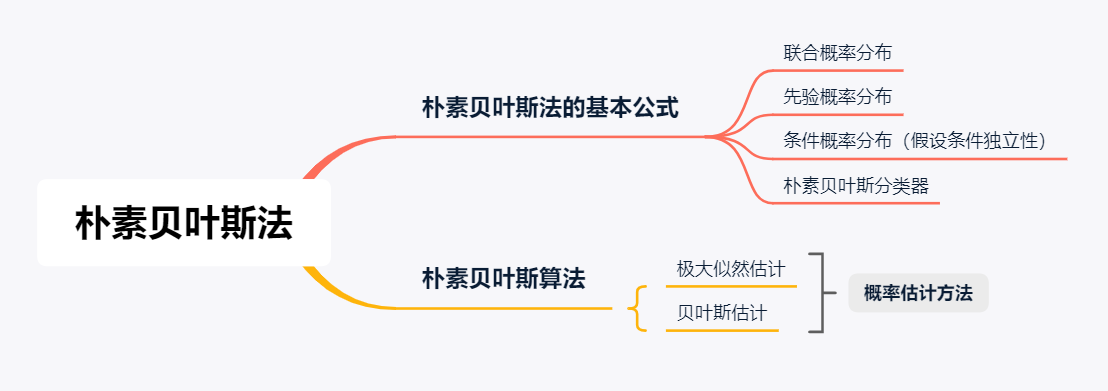
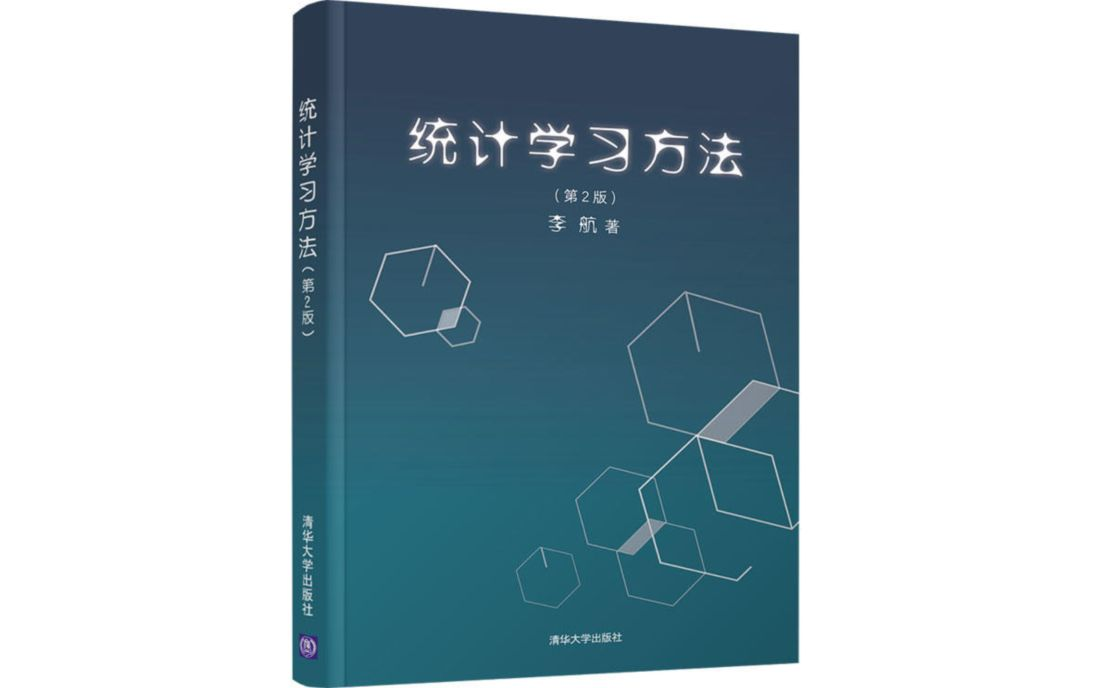
Study notes on Statistical Learning Methods
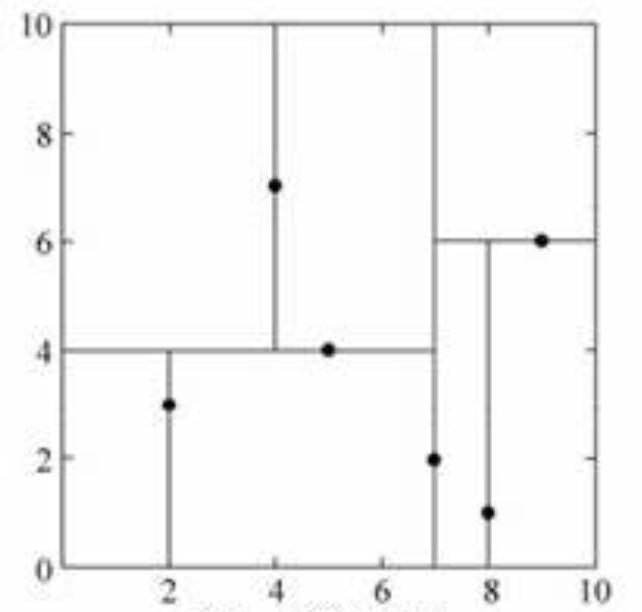
The nearest neighbors algorithm assumes a training dataset is given in which the class of each instance is known. For classification, a new instance is predicted from the classes of its k nearest training instances by majority voting or similar rules. Therefore, the k-nearest neighbors method has no explicit learning process.
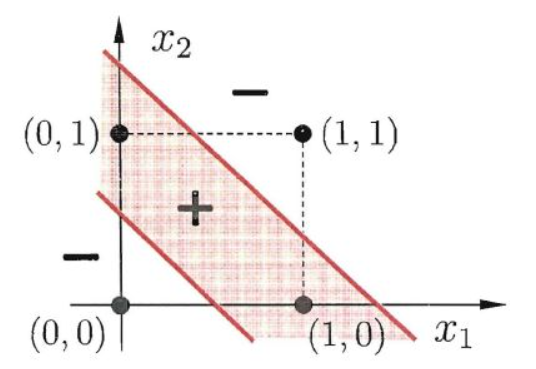
The perceptron is a linear binary classification model. Its input is an instance's feature vector, and its output is the instance's class. Its goal is to find a separating hyperplane that linearly divides the training data.
Statistical learning is the discipline in which computers build probabilistic and statistical models from data and use those models to predict and analyze data. These notes follow Li Hang's book *Statistical Learning Methods*.
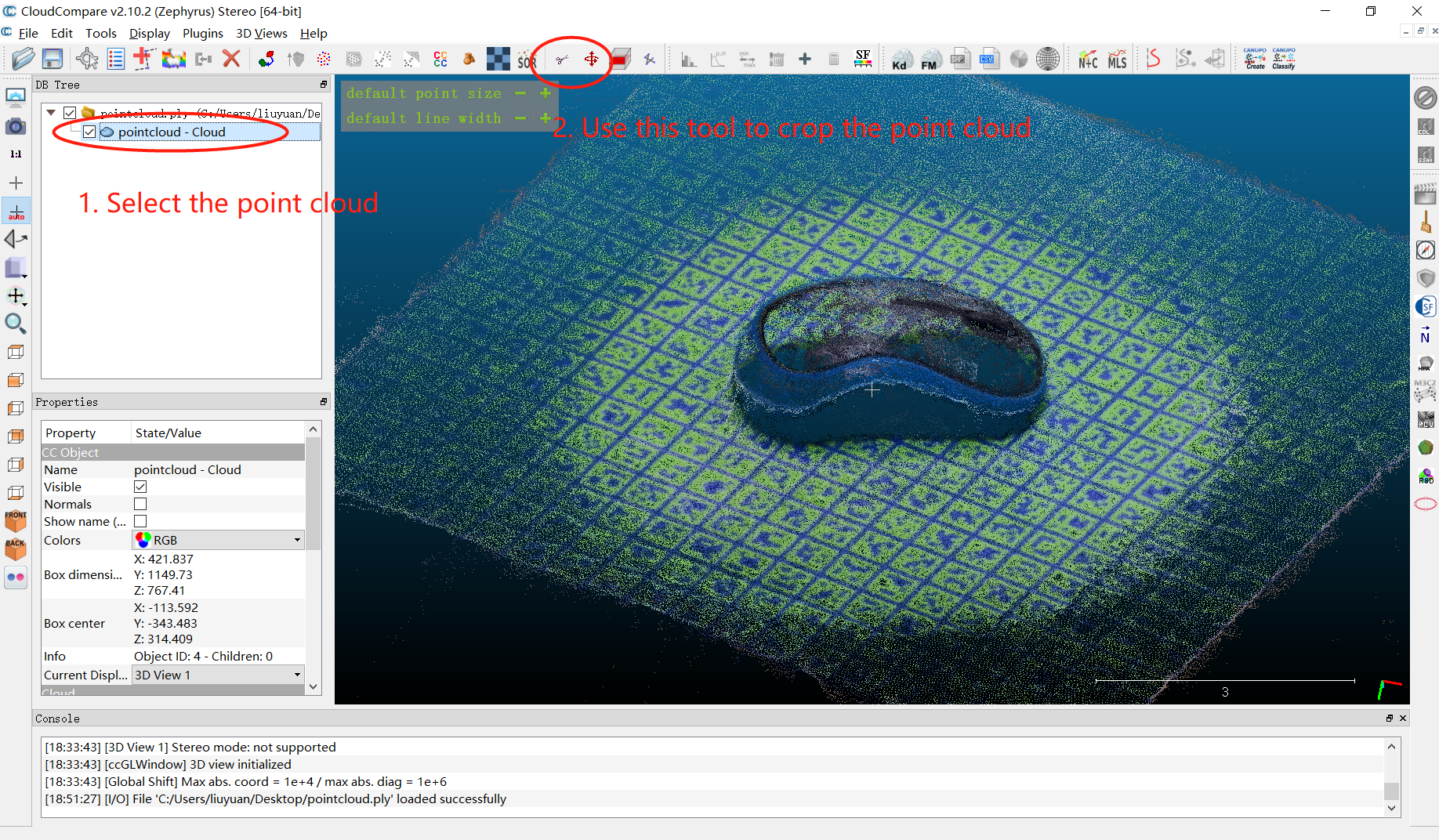
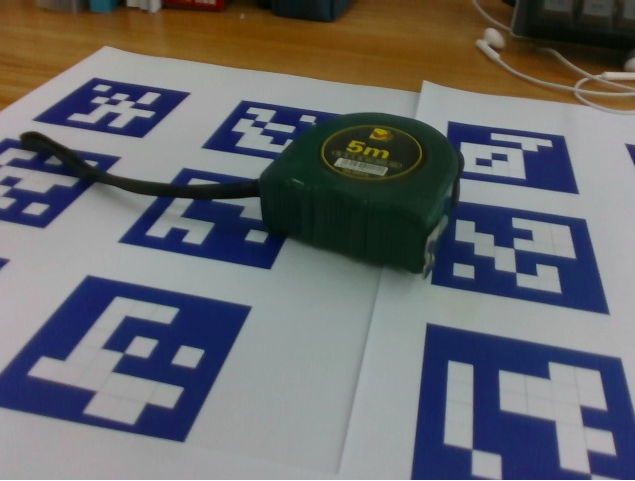
I am currently studying 6D pose estimation algorithms. The LINEMOD dataset is the most commonly used dataset in this field, but testing only on an existing dataset is not enough. Building a custom dataset is necessary for practical applications.
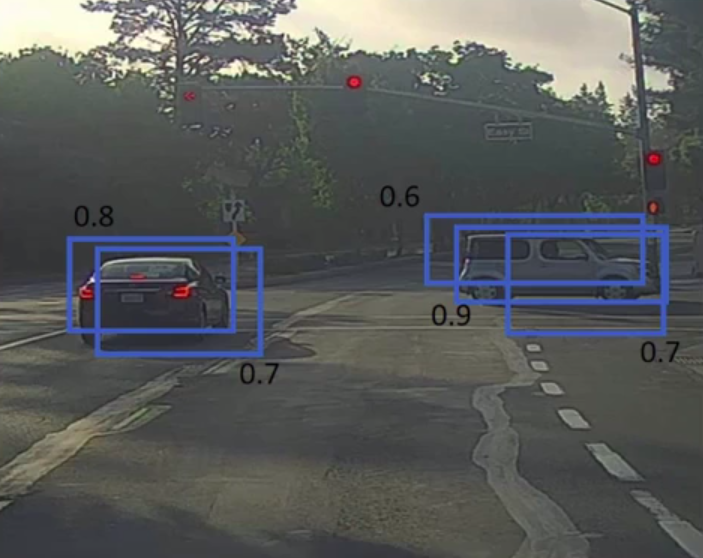
Basic implementation methods for object detection, starting with object localization and summarizing object detection algorithms such as landmark detection, object detection, the sliding-window method, and NMS (Non-Max Suppression).
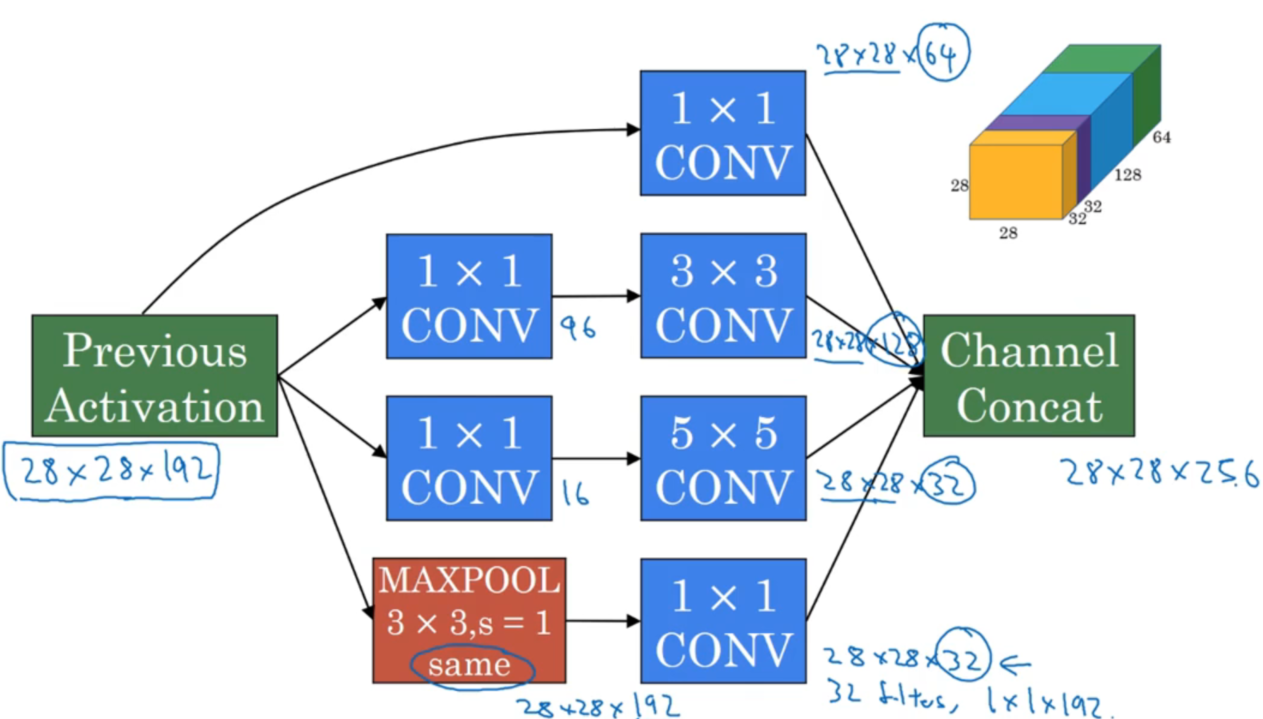
This article introduces several classic neural network models, including the network architectures of LeNet-5, AlexNet, VGG-16, ResNet, Inception networks, and more.
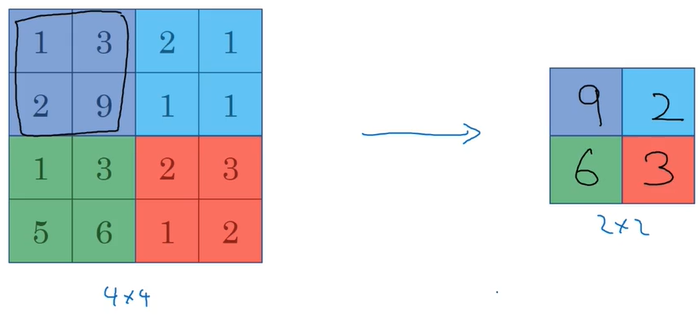
Why do neural networks often use convolution when analyzing images? Why are there padding and stride? What roles do pooling layers and fully connected layers play?
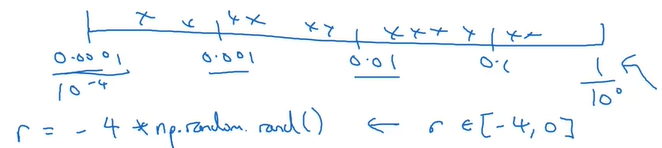
This article introduces common parameter-selection principles and approximate ranges in neural networks, as well as the basic principles of BN and softmax.
The LineMod algorithm was proposed by Hinterstoisser et al. in 2011. Using template matching, it addresses real-time detection and 6D pose estimation and localization for low-texture three-dimensional objects in cluttered scenes.
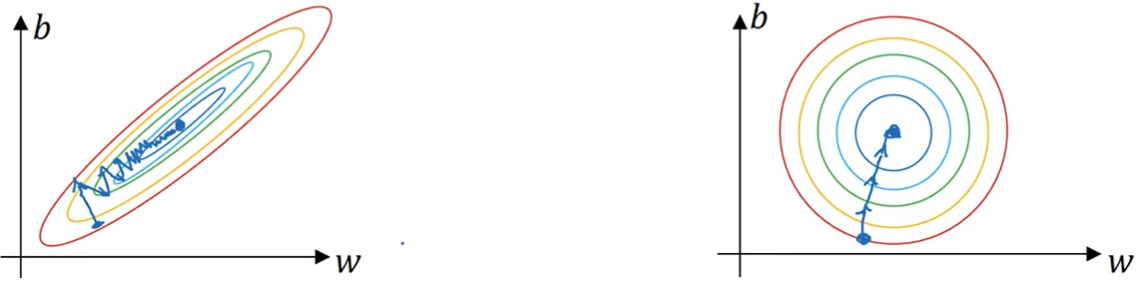
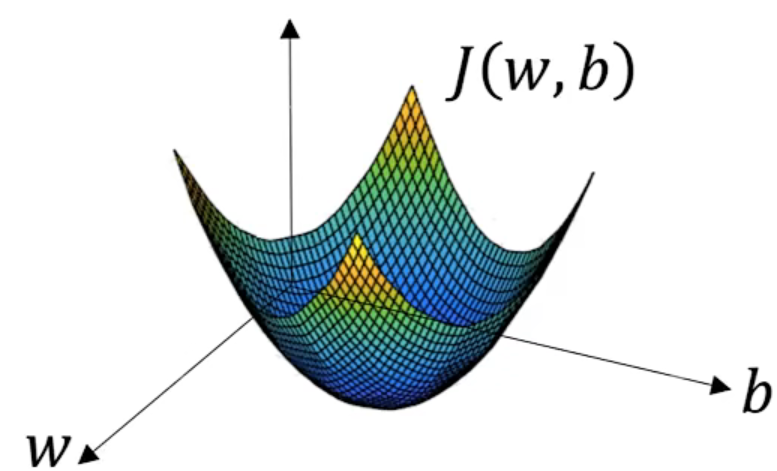
This article introduces several of the most commonly used optimization algorithms, starting from partitioning the dataset into mini-batches, then covering momentum gradient descent, RMSprop, and their combination Adam, along with implementation details and basic principles for each method.
There are many ways to improve neural network training performance, such as avoiding underfitting and overfitting, using regularization, and so on. Different methods also have different effects.
Linear regression in deep learning, basic optimization algorithms, and implementations of Softmax regression and loss functions.
Introduces how to perform basic data operations with PyTorch and pandas, and how to carry out fundamental linear algebra operations and derivative computation with torch.
When running deep learning code for training and inference, you will inevitably encounter various errors. This article collects some of the errors I have encountered and will be updated occasionally.
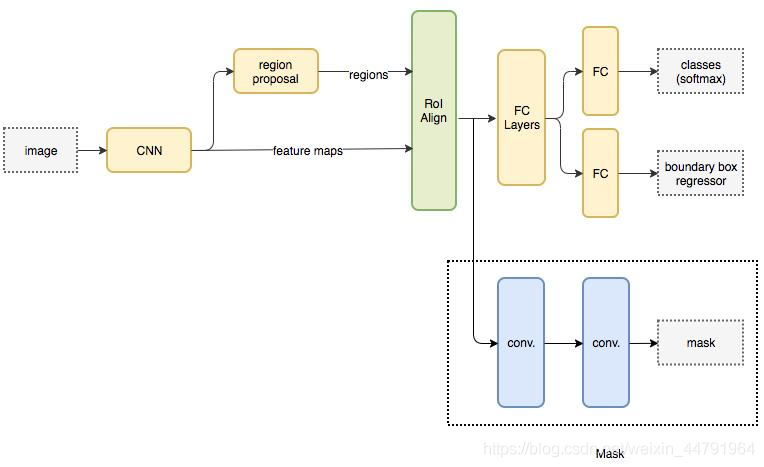
Mask R-CNN is a major 2017 work by Kaiming He. It performs instance segmentation alongside object detection and achieves excellent results.
Notes from my journey learning deep learning from scratch. This chapter introduces the most fundamental mathematical ideas behind deep learning, as well as simple regression-based approaches to deep learning algorithms and related code.
A summary of some concepts that beginners may find difficult to understand when starting out in deep learning.
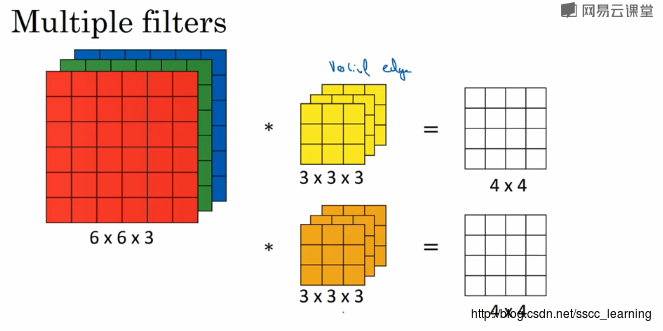
Generally, channels refers to the number of convolution kernels in each convolutional layer. The channels of the initial input image sample depend on the image type, such as RGB; after convolution, out_channels depends on the number of convolution kernels. The out_channels then also serves as the in_channels of the convolution kernel in the next convolution.

Convolution is essentially the process of taking a matrix of a specific size each time, sliding it across the input matrix, and computing the inner product at each position.
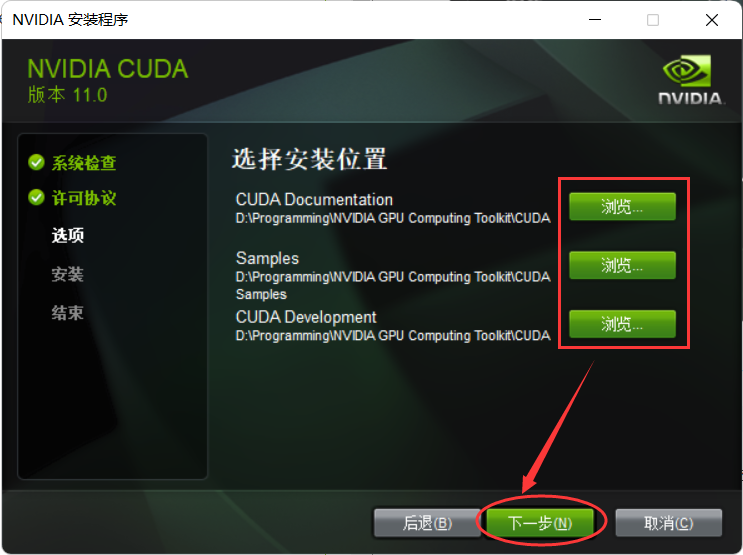
The process of setting up a deep learning environment with Anaconda + CUDA + TensorFlow 2 + Keras.
An installation tutorial for the commonly used deep learning environment PyTorch.